中学校の武道必修化
壱In one line一言で言うと
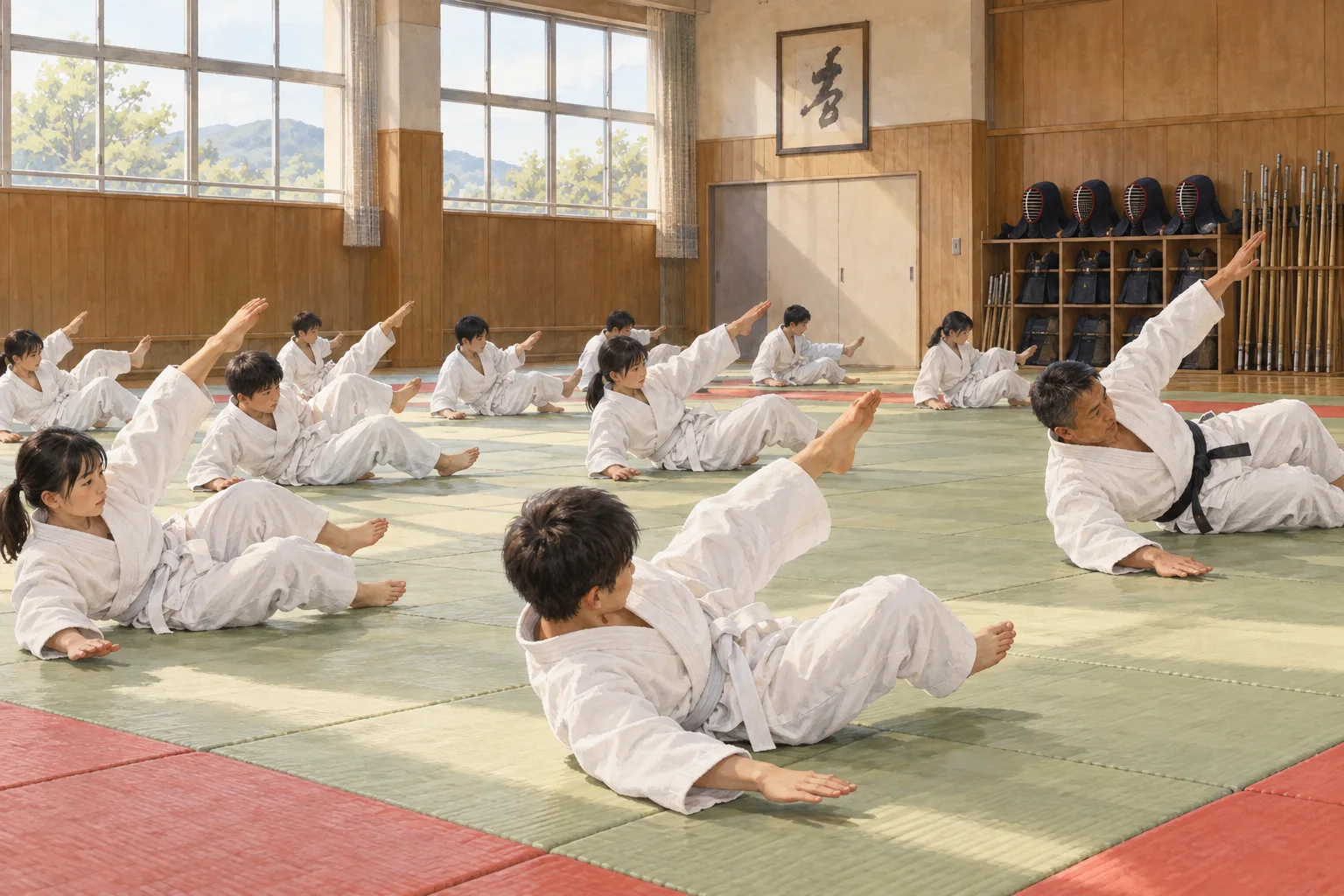
Since 2012, Japanese junior high schools have been required to teach a martial art, usually judo, kendo, or sumo, in gym class.
弐In 30 seconds30秒で説明する
Since the 2012 school year, Japan's junior high schools have been required to include budo, a traditional martial art, in physical education for first- and second-year students, alongside dance. Most schools choose judo, kendo, or sumo, largely based on which facilities and instructors they already have, and both boys and girls take the same class. The change came from a 2008 curriculum revision, following a 2006 update to the Basic Act on Education that added respect for tradition and culture as an educational goal. In practice, the amount of real skill students gain varies a lot, since many teachers are not martial arts specialists themselves.
参As a short speechスピーチ・英作文
A lot of people assume martial arts in Japan are something you choose to study at a private dojo, but since the 2012 school year every junior high school has actually been required to teach one as part of regular gym class. First- and second-year students take either judo, kendo, or sumo, chosen by the school based on its facilities and staff, alongside a similarly new requirement to teach dance.
The policy came out of a 2008 curriculum revision, following a 2006 revision to the Basic Act on Education that added respecting Japan's traditions and culture as an educational goal. In reality, the quality of instruction varies enormously, because most gym teachers were never trained as martial arts specialists, and safety, especially in judo, has been a recurring concern. Still, it means that most Japanese people under their late twenties have practiced judo breakfalls, swung a bamboo sword or tried sumo at school, whether they wanted to or not.
中学校の武道必修化ちゅうがっこうのぶどうひっしゅうかchugakko no budo hisshukathe compulsory martial arts unit in Japanese junior high gym class
「武道は道場で習うもの」ではない。実は中学の体育の必修科目。
壱一言で言うとIn one line
2012年度から、日本の中学校では体育の授業で柔道・剣道・相撲などの武道を教えることが必修になっています。
弐30秒で説明するIn 30 seconds
2012年度から、日本の中学校では第1・第2学年の体育で、伝統的な武道をダンスとあわせて教えることが必修になりました。ほとんどの学校は、すでにある設備や指導者に応じて柔道・剣道・相撲のいずれかを選び、男女とも同じ授業を受けます。この変更は2008年の学習指導要領改訂によるもので、その背景には2006年の教育基本法改正で「伝統と文化の尊重」が教育目標に加わったことがあるとされます。実際にどれだけ技能が身につくかは学校差が大きく、専門の指導者でない教員が教えることも多いためです。
参スピーチ・英作文As a short speech
武道は道場に自分から通って習うものだと多くの人が思っていますが、2012年度以降、日本のすべての中学校では実は通常の体育の一部として武道を教えることが義務づけられています。第1・第2学年は、学校が設備や教員に応じて選んだ柔道・剣道・相撲のいずれかを、ダンスの必修化とあわせて学びます。この方針は2008年の学習指導要領改訂によるもので、その前には2006年の教育基本法改正で日本の伝統と文化を尊重することが教育目標に加わっていました。
実際には、多くの体育教師が武道の専門家として訓練を受けていないため、指導の質にはかなりの差があり、特に柔道の安全面は繰り返し課題として指摘されています。それでも、20代後半より若い日本人のほとんどは、望むと望まざるとにかかわらず、学校で柔道の受け身を取ったり、竹刀を振ったり、相撲を取ったりしたことがあるということです。
こう聞かれたらQuestions people actually ask
QDo all students learn the same martial art?
ANo, each school picks one, usually judo, kendo, or sumo, based on what facilities and qualified teachers it has available.
生徒は全員同じ武道を習うのですか。いいえ、学校ごとに、設備や指導できる教員に応じて柔道・剣道・相撲のいずれかを選びます。
QHas this always been part of Japanese school life?
ANo, it only became mandatory nationwide starting in the 2012 school year, after a 2008 curriculum revision.
これは昔から学校にあったものですか。いいえ、2008年の学習指導要領改訂を経て、2012年度から全国で必修になったばかりです。
誤解されやすいA common misunderstanding
MYTHAll Japanese students grow up training seriously in a martial art.日本の生徒は皆、本格的に武道の訓練を積んで育つと思われがちです。
FACTThey get a few years of basic, compulsory instruction in junior high gym class, which is very different from the dedicated training of a dojo student.実際は中学の体育で数年間、基礎的な授業を必修として受けるだけで、道場に通う生徒の本格的な稽古とは大きく違います。
そのまま使えるフレーズPhrases you can use
- Which martial art does your school teach in gym class?あなたの学校は体育で何を教えていますか。
- We chose judo because we already had the mats.畳があったので柔道を選びました。
- Safety is the biggest concern with school judo.学校の柔道で一番心配なのは安全面です。
- Both boys and girls take the same class.男女とも同じ授業を受けます。
豆知識Background
2008年改訂の中学校学習指導要領により、2012年度から第1・第2学年の体育で武道が男女共に必修となった。柔道・剣道・相撲などから、学校の設備や指導者の状況に応じて選ばれる。背景には2006年に改正された教育基本法で「伝統と文化の尊重」が教育目標に加わったことがあるとされる。専門的な指導者が少ないことから、特に柔道での安全確保が繰り返し課題として指摘されている。
出典日本文化ナビ(原田英語.com)「中学校の武道必修化を英語で説明する(chugakko no budo hisshuka)」https://www.haradaeigo.com/japanese-culture/w/mandatory-budo-in-junior-high
- 文
- 日本文化ナビ編集部(原田英語.com)— 英文・和訳・解説はすべて独自に作成
- イラスト
- 日本文化ナビ オリジナル
- 発行
- 原田英語.com https://www.haradaeigo.com/
- 印刷日
- 2026.10.17
© 2026 Harada Eigo (原田英語.com). Text and illustration: Japan Culture Navi.
ページはこちら