敬語
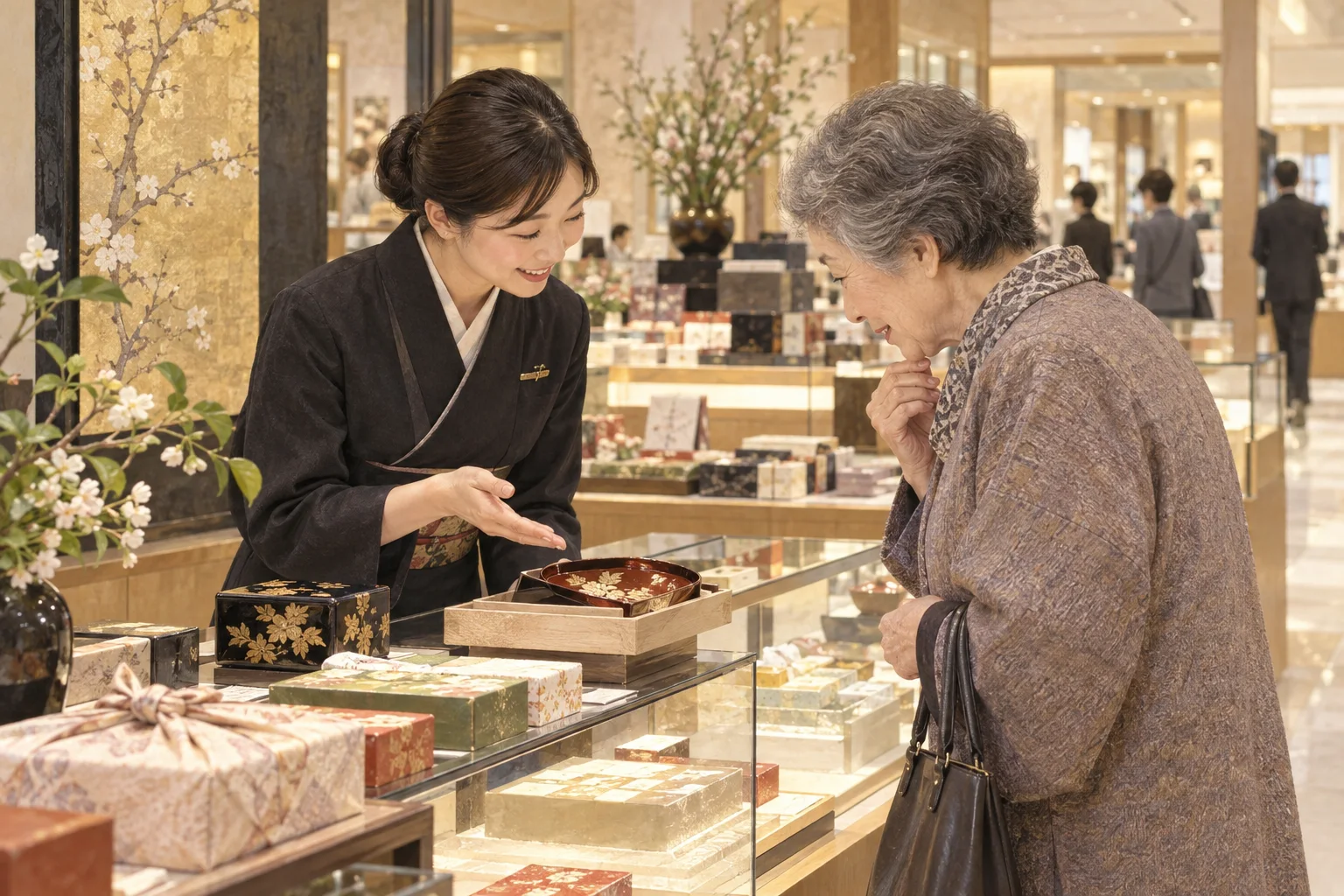
壱In one line一言で言うと
Keigo is the system of polite Japanese, where the verb changes depending on who you are speaking to and about.
弐In 30 seconds30秒で説明する
Japanese changes its verbs according to social relationship. There is respectful language for raising the other person, humble language for lowering yourself, and polite language for the general tone. The distinctions are difficult enough that Japanese companies run training courses in it for new graduates, and native speakers make mistakes constantly.
参As a short speechスピーチ・英作文
Keigo is the honorific system of Japanese, and it is the part of the language that Japanese people themselves often find hardest. The basic idea is that the verb changes depending on the social relationship. If you raise the other person, you use respectful language. If you lower yourself, you use humble language.
And separately there is polite language, which sets the general register. So one action, eating, has several different verb forms depending on who is doing it and who you are speaking to. It gets harder. When you talk to a customer about your own boss, you use humble forms for your boss, because your whole company is on your side of the line and the customer is on the other.
Getting that inside-outside distinction wrong is the classic mistake. Japanese companies run keigo training for new graduates, bookshops have whole shelves of keigo manuals, and a government advisory council published official guidance on it in 2007.
敬語けいごkeigothe honorific levels of Japanese
日本人も使い分けを間違える。新入社員研修に「敬語」の時間があるのはそのため。
壱一言で言うとIn one line
敬語とは、誰に、誰について話すかで動詞が変わる、日本語の丁寧さの仕組みです。
弐30秒で説明するIn 30 seconds
日本語は、人間関係に応じて動詞が変わります。相手を高める尊敬語、自分を下げる謙譲語、そして全体の丁寧さを示す丁寧語があります。この使い分けは難しく、日本の企業は新卒社員に敬語の研修を行いますし、母語話者も絶えず間違えます。
参スピーチ・英作文As a short speech
敬語は日本語の尊敬の仕組みで、日本人自身もしばしば最も難しいと感じる部分です。基本の考え方は、人間関係に応じて動詞が変わるということ。相手を高めるなら尊敬語、自分を下げるなら謙譲語。
それとは別に、全体の調子を決める丁寧語があります。ですから「食べる」という一つの動作に、誰がするのか、誰に話すのかで別々の形があります。さらに難しくなります。取引先に自分の上司のことを話すときは、上司に謙譲語を使います。
自社はすべて自分の側にあり、取引先は向こう側だからです。この内と外の線引きを間違えるのが、典型的な失敗です。日本の企業は新卒に敬語研修を行い、書店には敬語の本の棚があり、文化審議会は2007年に公式の指針を出しています。
こう聞かれたらQuestions people actually ask
QHow many levels are there?
AThe 2007 government guidance sets out five categories: respectful, two kinds of humble, polite, and beautifying language. Older textbooks use three. Either framing works for explanation.
段階はいくつあるのですか。2007年の指針では、尊敬語・謙譲語Ⅰ・謙譲語Ⅱ・丁寧語・美化語の5分類です。古い教科書は3分類です。説明にはどちらを使っても構いません。
QDo Japanese people get it wrong?
AConstantly. Over-polite forms like using two honorifics on one verb are so common they have a name, and shop staff phrases that are technically wrong have spread widely enough to be debated in the media.
日本人でも間違えるのですか。しょっちゅうです。一つの動詞に敬語を二重に重ねる「二重敬語」には名前がついていますし、文法的には誤りとされる接客の言い回しが広まって、報道で議論になるほどです。
QDo I need to use it as a learner?
AThe polite -masu form covers almost every situation a visitor meets, and nobody expects more. Using plain forms with a stranger is the mistake worth avoiding, not failing at humble language.
学習者も使わなければいけませんか。「〜ます」の丁寧形で、訪日の方が出会う場面はほぼまかなえますし、それ以上は期待されません。避けるべきは、初対面の人にため口を使うことで、謙譲語ができないことではありません。
そのまま使えるフレーズPhrases you can use
- The verb changes depending on who you're talking to.話す相手によって動詞が変わります。
- You lower yourself and raise the other person.自分を下げ、相手を高めます。
- Your own boss becomes humble when you talk to a client.取引先に話すときは、自分の上司にも謙譲語を使います。
- Japanese people make mistakes with it too.日本人も間違えます。
- The polite -masu form is enough for visitors.「〜ます」の形で十分です。
豆知識Background
文化審議会国語分科会は2007年に「敬語の指針」を答申し、従来の3分類(尊敬語・謙譲語・丁寧語)を、尊敬語・謙譲語Ⅰ・謙譲語Ⅱ(丁重語)・丁寧語・美化語の5分類に整理した。謙譲語Ⅰは向かう相手を高めるもの(伺う)、謙譲語Ⅱは聞き手に対して丁重に述べるもの(参る)と区別される。接客で使われる「〜のほう」「〜になります」「よろしかったでしょうか」といった言い方は「バイト敬語」「コンビニ敬語」と呼ばれ、規範的には誤りとされることが多いが、実際には広く定着している。二重敬語(「お召し上がりになられる」など)は指針でも過剰な形として挙げられている。
出典日本文化ナビ(原田英語.com)「敬語を英語で説明する(keigo)」https://www.haradaeigo.com/japanese-culture/w/keigo
- 文
- 日本文化ナビ編集部(原田英語.com)— 英文・和訳・解説はすべて独自に作成
- イラスト
- 日本文化ナビ オリジナル
- 発行
- 原田英語.com https://www.haradaeigo.com/
- 印刷日
- 2026.10.17
© 2026 Harada Eigo (原田英語.com). Text and illustration: Japan Culture Navi.
ページはこちら