潔さ
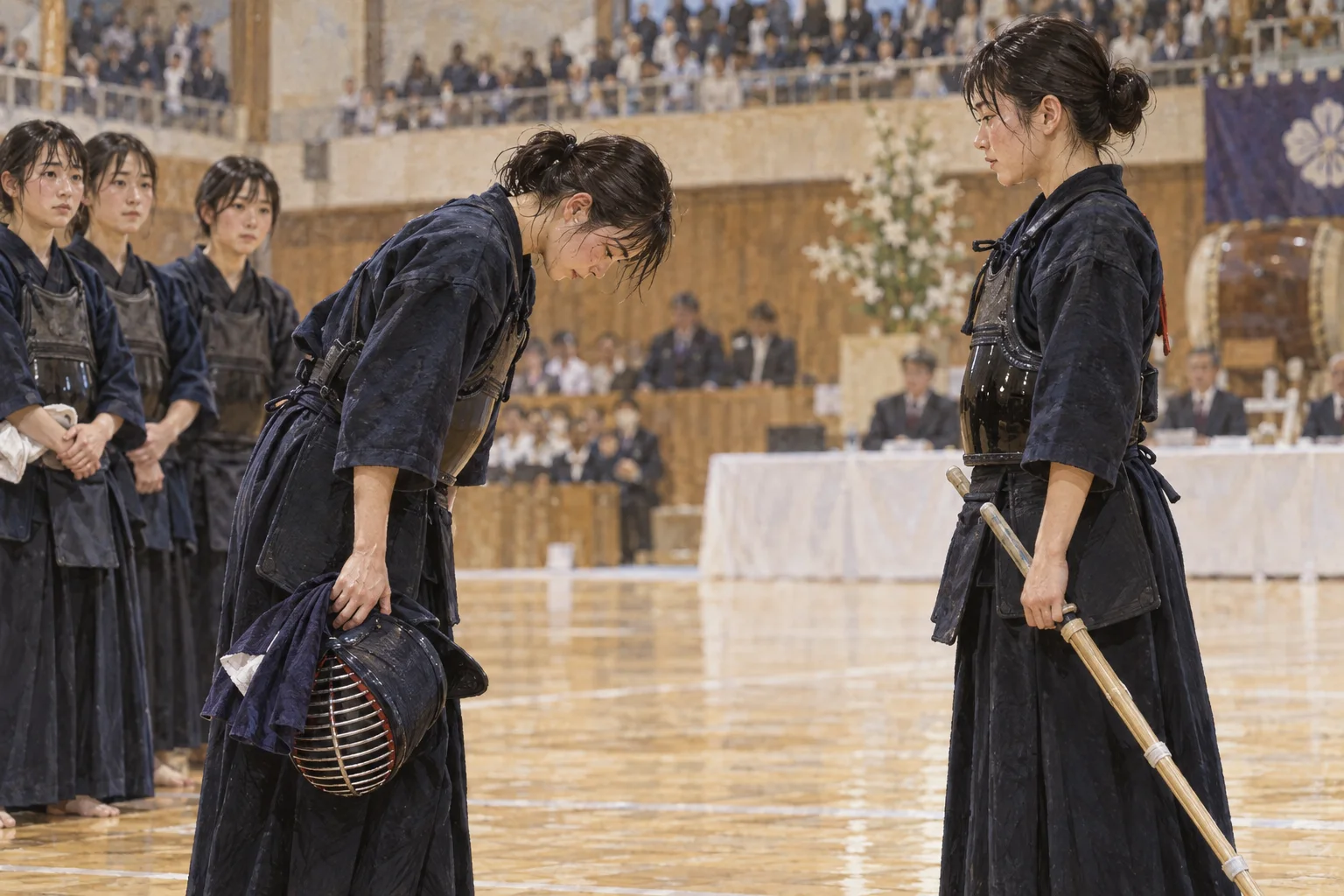
壱In one line一言で言うと
Isagiyosa is the quality of accepting a loss or a fault cleanly, without excuses or clinging on.
弐In 30 seconds30秒で説明する
Isagiyoi describes someone who admits a mistake without excuses, resigns without a fight, or accepts a loss without complaint. It is high praise in Japanese, linked historically to samurai ideals and to the image of cherry blossom falling at its peak. It can also be criticized for discouraging necessary resistance.
参As a short speechスピーチ・英作文
Isagiyoi is one of the strongest compliments in Japanese, and it is hard to render in English. It describes a person who does not cling: who admits fault at once without excuses, who steps down when their position is untenable, who loses without complaining about the referee.
The image most often attached to it is cherry blossom, which falls at its peak rather than fading on the branch, and the connection to samurai ideals of accepting death without hesitation is explicit in older writing. That history is also the reason to handle the word carefully.
During the war the same aesthetic was used to glorify dying in battle, a use that is widely criticized today, and a person who resigns cleanly may be shielding others who share the responsibility. Japanese commentators make both points. The everyday use is milder and genuinely attractive: taking responsibility quickly, apologizing without qualification, and not arguing about a decision once it has gone against you.
潔さいさぎよさisagiyosaaccepting defeat cleanly
言い訳をせず、引き際をわきまえる。散る桜が重ねられてきた。
壱一言で言うとIn one line
潔さとは、負けや過ちを、言い訳もせず引きずりもせずに受け入れる態度のことです。
弐30秒で説明するIn 30 seconds
潔いとは、言い訳せずに過ちを認め、抗わずに身を引き、負けを恨み言なく受け入れる人を指す言葉です。日本語では高い評価であり、歴史的には武士の理想と、盛りのうちに散る桜の姿に結びつけられてきました。同時に、必要な抵抗を思いとどまらせるとして批判されることもあります。
参スピーチ・英作文As a short speech
潔いは、日本語で最も強いほめ言葉の一つで、英語に移すのが難しい語です。しがみつかない人を指します。言い訳せずにすぐ非を認める人、立場が保てなくなったときに身を引く人、審判に文句を言わずに負ける人です。最もよく重ねられる像は桜で、枝の上でしおれるのではなく、盛りのうちに散ります。
死をためらわずに受け入れる武士の理想と結びつけられることは、古い文章のなかではっきり書かれています。その歴史は、この語を慎重に扱うべき理由でもあります。同じ美意識は、戦時中に戦場での死を美化するために使われ、そのことは今では広く批判されています。
潔く辞める人が、責任を分け持つほかの人たちをかばっていることもあります。日本の論者は、そのどちらも指摘します。日常での使い方はもっと穏やかで、本当に好ましいものです。すばやく責任を取ること、条件をつけずに謝ること、そして決まったことが自分に不利でも、あとから蒸し返さないことです。
こう聞かれたらQuestions people actually ask
QHow is it different from being a good loser?
ABeing a good loser is about behavior after a result. Isagiyosa includes choosing the moment to step back, so it applies to resigning, withdrawing or admitting fault before being forced to.
負けを認められることとはどう違うのですか。「good loser」は結果が出たあとのふるまいのことです。潔さには、身を引く時機を自分で選ぶことが含まれます。迫られる前に辞め、退き、非を認めることに当てはまります。
QWhy is it linked to cherry blossom?
ABecause the blossom falls while still beautiful rather than wilting. Classical poetry and later military rhetoric both used that image, which is why the association is admired and also viewed critically.
どうして桜と結びつくのですか。桜は、しおれる前に美しいまま散るからです。古典の和歌も、のちの軍事の言葉もその像を用いました。だからこの結びつきは、称えられると同時に、批判的にも見られています。
QIs it always a compliment?
AIn everyday use, yes. In analysis of Japanese institutions it can be a criticism, describing a culture where the person who steps down quickly ends the discussion that should have continued.
いつでも褒め言葉なのですか。日常ではほめ言葉です。日本の組織を論じる文脈では批判になりえます。すばやく身を引く人が、続けるべきだった議論を終わらせてしまう文化を指すからです。
誤解されやすいA common misunderstanding
MYTHIsagiyosa means Japanese people accept anything without complaint.潔さとは、日本人が何でも文句を言わずに受け入れることだ、と受け取られがちです。
FACTIt praises a specific act: admitting fault or withdrawing without excuses. Japanese people argue, litigate and protest like anyone else, and the word is not about general passivity.この語は特定の行いを称えるものです。言い訳せずに非を認めること、身を引くことです。日本人もほかの国の人と同じように議論し、訴え、抗議します。一般的な受け身の態度を言う語ではありません。
そのまま使えるフレーズPhrases you can use
- He admitted it right away.彼はすぐに認めました。
- No excuses, I was wrong.言い訳はしません。私が間違っていました。
- She stepped down without a fuss.彼女は潔く身を引きました。
- The decision is made; let's move on.決まったことです。前に進みましょう。
- That was a clean way to lose.潔い負け方でした。
豆知識Background
潔いは、けがれがないことを意味する語から来ており、心のありようが澄んでいることを指しました。武士の心得を説いた書物では、死に臨む態度と結びつけて語られ、桜が盛りのうちに散る姿がしばしば重ねられました。戦時にはこの美意識が動員の言葉として用いられた歴史があり、戦後にはその点への批判も重ねられています。日常では、非を認めることや引き際の見事さをほめる語として使われ、相撲や将棋の勝負の評にも現れます。
出典日本文化ナビ(原田英語.com)「潔さを英語で説明する(isagiyosa)」https://www.haradaeigo.com/japanese-culture/w/isagiyosa
- 文
- 日本文化ナビ編集部(原田英語.com)— 英文・和訳・解説はすべて独自に作成
- イラスト
- 日本文化ナビ オリジナル
- 発行
- 原田英語.com https://www.haradaeigo.com/
- 印刷日
- 2026.10.17
© 2026 Harada Eigo (原田英語.com). Text and illustration: Japan Culture Navi.
ページはこちら