終身雇用
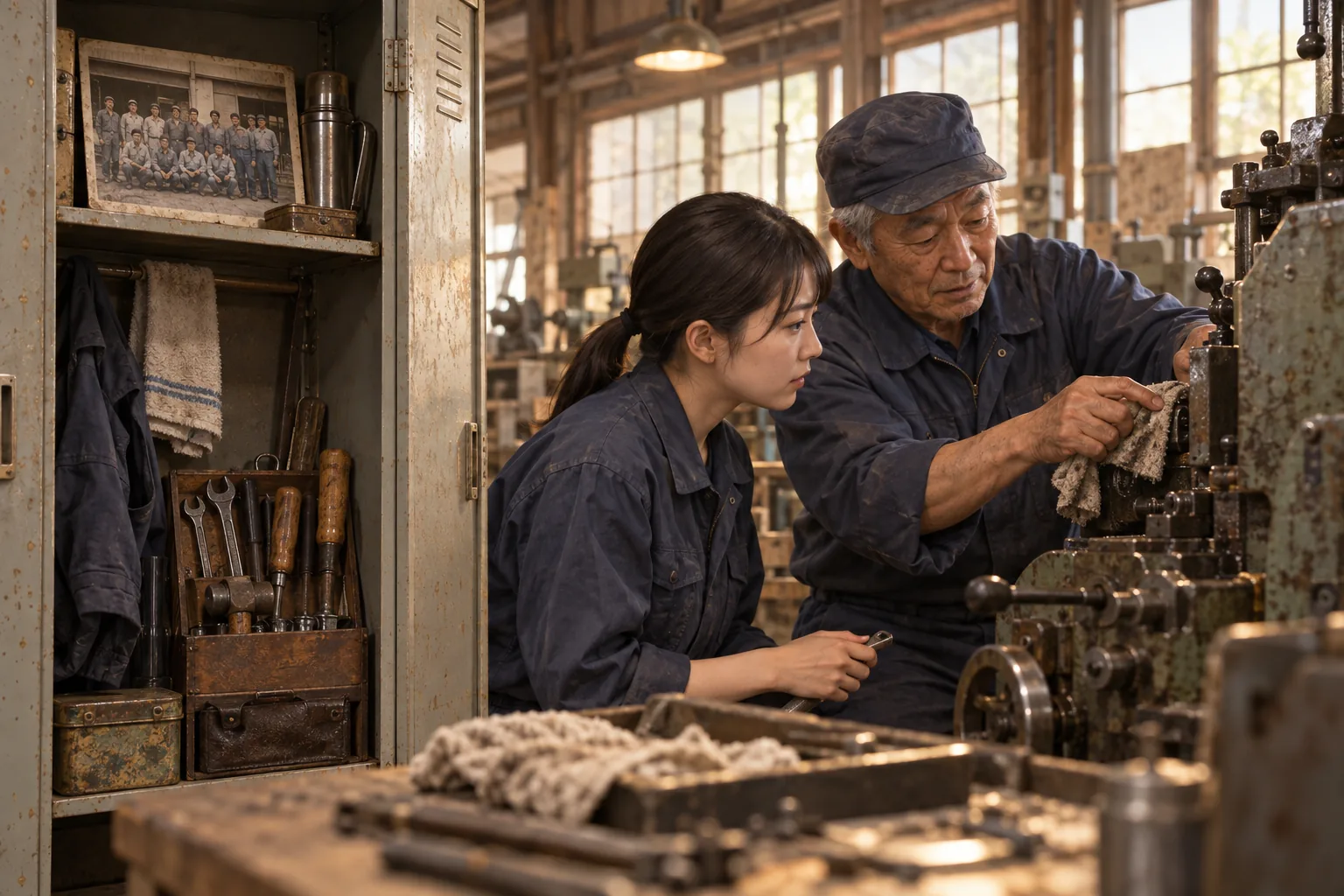
壱In one line一言で言うと
Shushin koyo is the practice of staying at one company from graduation to retirement.
弐In 30 seconds30秒で説明する
For much of the postwar period, large Japanese companies hired graduates in a single annual intake and kept them until retirement, paying by seniority rather than performance. The system gave stability in exchange for loyalty and giving up the freedom to move. It began breaking down in the 1990s, and today it covers a shrinking minority of workers, though its habits remain in hiring and pay.
参As a short speechスピーチ・英作文
Lifetime employment is the idea that you join a company straight after graduating and stay until you retire. For decades this was the model at large Japanese firms. You were hired not for a specific skill but as a person the company would train, moved between departments every few years, and paid according to how long you had been there.
In exchange, you were rarely laid off. It produced stability, and it also produced the long hours and the difficulty of changing jobs. It started to fall apart after the economic bubble burst in the early 1990s, when companies sharply cut hiring and a generation of graduates was shut out.
Today a large share of the workforce is on non-regular contracts with none of those protections, and changing jobs is normal for people under forty. The system is often described abroad as if nothing had changed. It would be more accurate to describe it as something that has shrunk and changed shape.
終身雇用しゅうしんこようshushin koyolifetime employment
「日本は終身雇用」はもう古い。でも、その名残は今も制度のあちこちに残っている。
壱一言で言うとIn one line
終身雇用とは、卒業から定年まで一つの会社に勤め続ける雇用のあり方です。
弐30秒で説明するIn 30 seconds
戦後の長い期間、日本の大企業は新卒を年に一度まとめて採用し、定年まで雇い続け、成果ではなく年次で賃金を上げてきました。忠誠と流動性を差し出す代わりに安定を得る仕組みです。1990年代に崩れはじめ、今では対象となる労働者は少数派ですが、採用や賃金の慣行にはその名残が残っています。
参スピーチ・英作文As a short speech
終身雇用とは、卒業してすぐ会社に入り、定年までそこにいるという考え方です。数十年にわたり、これが日本の大企業の標準でした。特定の技能ではなく、会社が育てる人として採用され、数年ごとに部署を移り、在籍年数に応じて賃金が上がる。
その代わり、解雇されることはまずない。これは安定を生み、同時に長時間労働と転職のしにくさも生みました。1990年代初めにバブルが崩壊すると崩れはじめ、企業が採用を大きく絞り、一つの世代の新卒が締め出されました。
今では労働者の大きな部分が、こうした保護のない非正規の契約で働いており、40代より下では転職が普通です。海外ではこの制度が今もそのままあるように語られがちですが、大きく縮み、形を変えたものとして語るほうが正確です。
こう聞かれたらQuestions people actually ask
QDoes it still exist?
AIn a reduced form, at large firms and in the public sector. But a substantial share of Japanese workers are on non-regular contracts, and even major companies have moved toward performance-based pay and mid-career hiring.
いまもあるのですか。大企業と公務員には縮小した形で残っています。ただ日本の労働者のかなりの割合が非正規で働いており、大企業も成果給や中途採用へ移行しています。
QWhat is shukatsu?
AThe synchronized job-hunting process for university students. Most students apply around the same time, many in near-identical dark suits, more than a year before graduating, and the timetable follows guidelines from the government and business groups.
就活とは何ですか。大学生の就職活動です。卒業の1年以上前から、多くの学生が同じ時期に、似たような黒っぽいスーツで応募します。日程は政府や経済団体の指針に沿っています。
QWhy does changing jobs carry a stigma?
AIt used to, because the system assumed you would not. That has largely gone for younger workers, and job-changing services are now a major industry. The stigma survives mostly among older generations.
どうして転職に後ろめたさがつきまとうのですか。制度が転職しない前提だったからです。若い世代ではほぼ消え、転職サービスは今や大きな産業です。抵抗感が残るのは主に上の世代です。
誤解されやすいA common misunderstanding
MYTHJapanese people work at one company for life.日本人は一生同じ会社で働くと思われがちです。
FACTThat was true for a minority even at its peak, mainly men at large firms. Today job changes are common, and a large proportion of workers have never had that kind of security at all.最盛期でも該当したのは少数派で、主に大企業の男性でした。今では転職は普通で、そもそもそうした保障と無縁な労働者が大きな割合を占めます。
そのまま使えるフレーズPhrases you can use
- That model is mostly a thing of the past.その仕組みは、ほぼ過去のものです。
- Companies hire graduates all at once, once a year.企業は年に一度、新卒をまとめて採用します。
- Pay used to rise with years of service.賃金は勤続年数で上がるのが普通でした。
- Changing jobs is normal now for younger people.若い世代では、転職はもう普通です。
- A lot of workers are on non-regular contracts.多くの人が非正規の契約で働いています。
豆知識Background
終身雇用・年功序列・企業別労働組合は「日本的経営の三種の神器」と呼ばれた。この捉え方は、1958年のアベグレンの著書『日本の経営』や、1972年のOECDの対日労働報告書を通じて広まったとされる。制度が大きく揺らいだのはバブル崩壊後で、1993年ごろから2000年代前半に卒業した世代は「就職氷河期世代」と呼ばれ、現在も政策課題として扱われている。総務省の労働力調査では、非正規雇用者の割合は労働者全体の約4割で推移している。2019年、当時の経団連会長とトヨタ自動車社長が相次いで終身雇用の維持は難しいと公言し、大きく報じられた。
出典日本文化ナビ(原田英語.com)「終身雇用を英語で説明する(shushin koyo)」https://www.haradaeigo.com/japanese-culture/en/shushin-koyo
- 文
- 日本文化ナビ編集部(原田英語.com)— 英文・和訳・解説はすべて独自に作成
- イラスト
- 日本文化ナビ オリジナル
- 発行
- 原田英語.com https://www.haradaeigo.com/
- 印刷日
- 2026.10.17
© 2026 Harada Eigo (原田英語.com). Text and illustration: Japan Culture Navi.
ページはこちら