日本の水
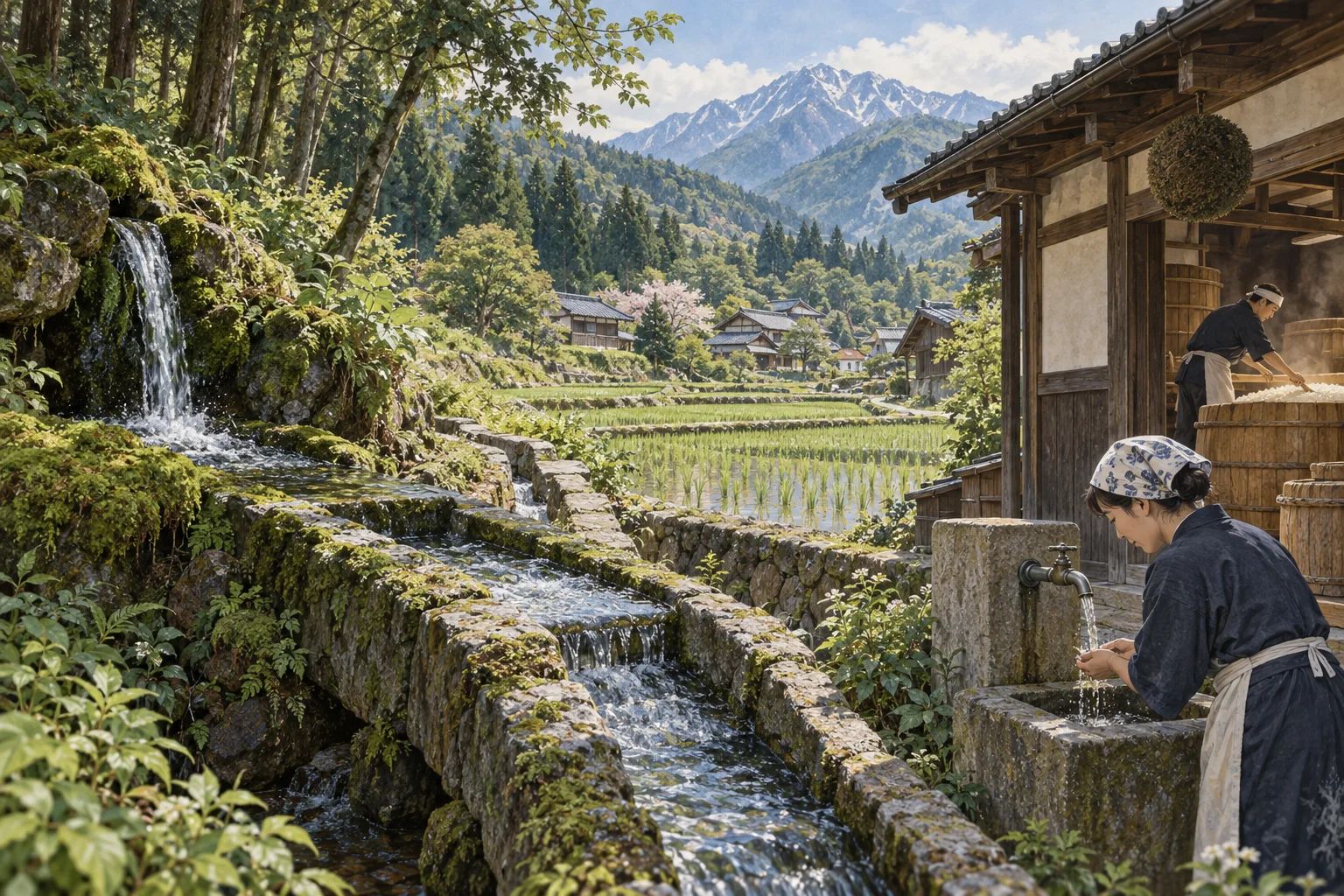
壱In one line一言で言うと
Nihon no mizu, or Japan's water, is a paradox: roughly twice the world's average rainfall, yet little water per person.
弐In 30 seconds30秒で説明する
Japan's average annual rainfall is about 1,700 millimeters, close to double the global average, thanks to seasonal rains and typhoons. But that water is packed into a small, mountainous, densely populated country, so rainfall per person is roughly a quarter of the world average. Much of the rain also falls suddenly in the rainy season and typhoon months rather than evenly across the year, so dams and reservoirs matter more than the raw rainfall figure suggests. Japan is also a huge net importer of virtual water, water used abroad to grow the food it imports.
参As a short speechスピーチ・英作文
Japan's relationship with water is a genuine paradox, and it is worth knowing if you ever hear someone call Japan a water-rich country. Average annual rainfall is around 1,700 millimeters, close to double the world average, driven by the early-summer rainy season and by typhoons later in the year.
That should make Japan water-abundant, and in one sense it is: tap water is safe to drink almost everywhere, which is far from universal worldwide. But divide that rainfall by Japan's population packed into a mountainous, narrow country, and the rainfall per person drops to roughly a quarter of the global average, according to land ministry figures.
The timing makes things harder still, since much of the year's rain arrives in a few concentrated weeks, which is why Japan has built so many dams, as much to store water for the drier months and control floods as to generate power. There is a second, less visible layer to this story: Japan imports enormous amounts of food, and growing that food abroad consumes water that Japan effectively imports without anyone seeing a drop of it, a concept researchers call virtual water.
日本の水にほんのみずnihon no mizuJapan's paradox of abundant but scarce water
雨は世界平均の二倍。それでも一人当たりでは少ない国。
壱一言で言うとIn one line
日本の水とは、降水量は世界平均のおよそ二倍なのに、一人当たりの水の量は少ないという矛盾です。
弐30秒で説明するIn 30 seconds
日本の年間降水量は平均およそ1,700ミリで、世界平均のほぼ二倍にあたります。梅雨や台風による雨のおかげです。しかしその水は、山がちで人口の多い狭い国土に集中しているため、一人当たりの降水量は世界平均のおよそ四分の一にとどまります。雨の多くは一年を通して均等に降るのではなく、梅雨と台風の時期に一気に降るため、降水量そのものの数字が示す以上にダムや貯水池の役割が大きくなります。日本はまた、輸入する食料を育てるために外国で使われる水、いわゆるバーチャルウォーターの、世界有数の輸入国でもあります。
参スピーチ・英作文As a short speech
日本と水の関係は、本当に逆説的で、日本を水の豊かな国と呼ぶ人がいたら知っておく価値があります。年間の平均降水量はおよそ1,700ミリで、世界平均のほぼ二倍にあたり、初夏の梅雨とその後の台風によってもたらされます。これだけ聞けば日本は水が豊かな国のはずで、ある意味では実際にそうです。水道水がほぼどこでも安全に飲めるというのは、世界では当たり前ではないからです。
しかし、その降水量を、山がちで狭い国土に密集する人口で割ると、一人当たりの降水量は、国土交通省の資料によれば世界平均のおよそ四分の一にまで下がります。降り方もさらに事情を難しくしています。一年の雨の多くが、限られた数週間に集中して降るため、日本は発電だけでなく、雨の少ない時期のために水をため、洪水を抑える目的で、これほど多くのダムを造ってきたのです。
この話にはもう一つ、あまり見えない層があります。日本は膨大な量の食料を輸入しており、その食料を外国で育てるために使われる水を、日本は一滴も目にすることなく事実上輸入していることになります。研究者はこれをバーチャルウォーターと呼びます。
こう聞かれたらQuestions people actually ask
QSo is Japan water-rich or water-poor?
ABoth, depending on what you measure. Total rainfall is abundant, but water per person is scarce because of the dense population and mountainous terrain, and food imports quietly add to the real demand.
結局、日本は水が豊かな国なのですか、乏しい国なのですか。何を基準にするかで両方とも当てはまります。総降水量は豊かですが、人口密度と地形のせいで一人当たりの水は乏しく、食料の輸入が実質的な需要をひそかに押し上げています。
QWhy are there so many dams in Japan?
ABecause rainfall is concentrated into a short rainy season and a few typhoons rather than spread evenly, so dams store water for the drier months and also hold back floodwater during the heaviest storms.
どうして日本にはこれほど多くのダムがあるのですか。雨が一年を通して平均に降るのではなく、短い梅雨といくつかの台風に集中するためです。ダムは雨の少ない時期のために水をため、また最も激しい嵐のときには洪水を防ぐ役割も果たします。
QWhat is virtual water?
AIt is the water used to grow or produce something in another country, counted as if it were imported along with the product. Since Japan imports much of its food, it is one of the world's largest net importers of this hidden water.
バーチャルウォーターとは何ですか。他国でものを育てたり作ったりするのに使われた水を、その製品と一緒に輸入したものとみなして数える考え方です。日本は食料の多くを輸入しているため、この見えない水の世界有数の輸入国になっています。
そのまま使えるフレーズPhrases you can use
- Japan's tap water is safe to drink straight from the faucet.日本の水道水は蛇口からそのまま飲めます。
- Most of the year's rain falls in just a few weeks.一年の雨の多くはほんの数週間に集中して降ります。
- That dam was built to store water for dry spells.あのダムは渇水期のために水をためる目的で造られました。
- Japan imports a huge amount of virtual water through food.日本は食料を通じて膨大なバーチャルウォーターを輸入しています。
- Rainfall per person here is lower than you'd expect.ここの一人当たりの降水量は思ったより少ないです。
豆知識Background
国土交通省の資料によれば、日本の年平均降水量は約1,718ミリで、世界平均の約880ミリのおよそ二倍にあたりますが、人口密度の高さから、一人当たりの降水量は世界平均のおよそ四分の一にとどまります。雨は梅雨と台風の時期に集中して降るため、日本には数多くのダムや貯水池が造られてきました。また日本は、食料の輸入を通じて外国の水資源を間接的に使う『バーチャルウォーター』の輸入量が世界有数とされています。
出典日本文化ナビ(原田英語.com)「日本の水を英語で説明する(nihon no mizu)」https://www.haradaeigo.com/japanese-culture/en/nihon-no-mizu
- 文
- 日本文化ナビ編集部(原田英語.com)— 英文・和訳・解説はすべて独自に作成
- イラスト
- 日本文化ナビ オリジナル
- 発行
- 原田英語.com https://www.haradaeigo.com/
- 印刷日
- 2026.10.17
© 2026 Harada Eigo (原田英語.com). Text and illustration: Japan Culture Navi.
ページはこちら