気配り
壱In one line一言で言うと
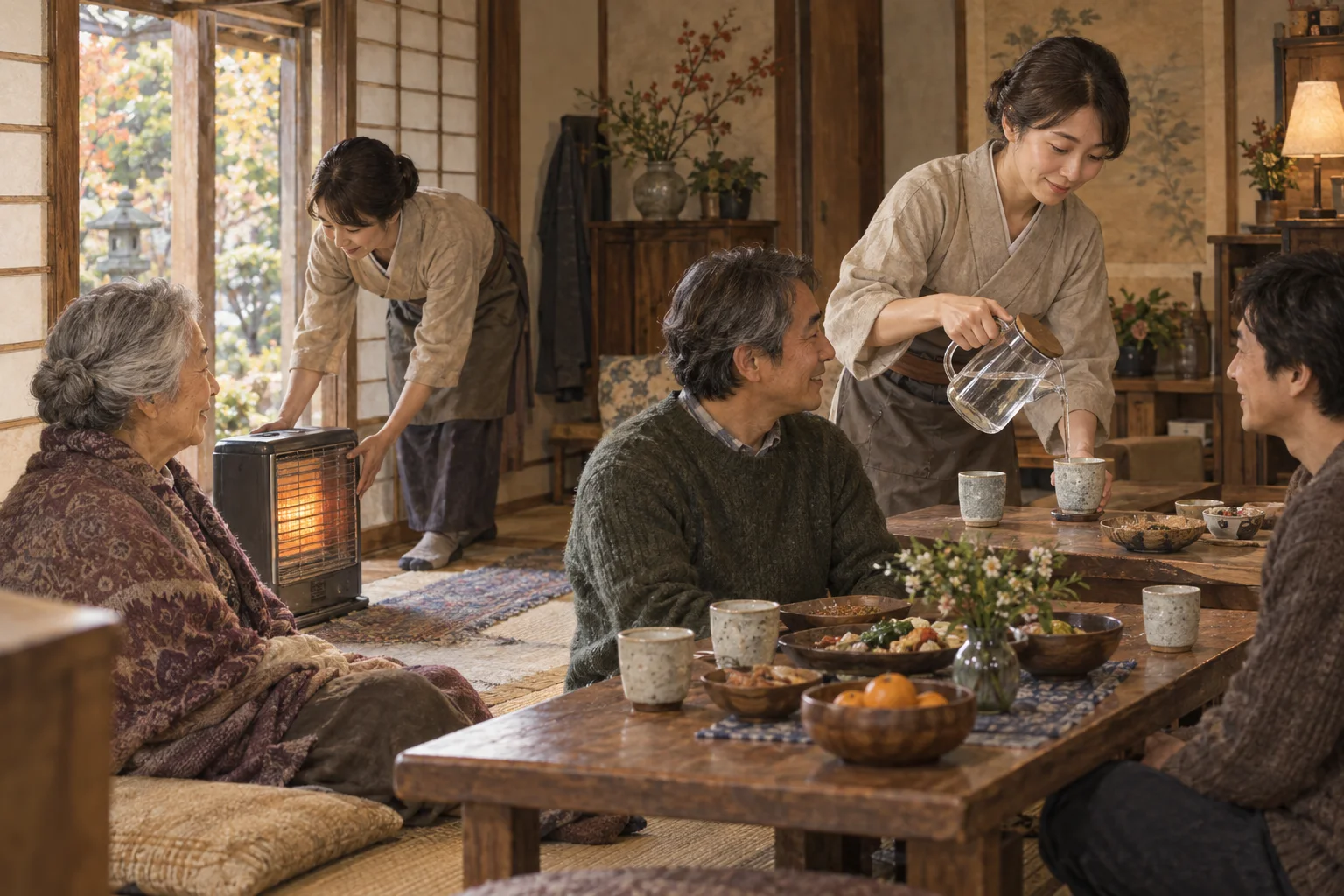
Kikubari means noticing what someone needs before they ask and quietly taking care of it.
弐In 30 seconds30秒で説明する
Kikubari is the practiced habit of anticipating small needs, refilling a guest's tea before it's empty, offering a seat, noticing someone is cold and adjusting the air conditioning, without being asked and often without being thanked out loud. It is taught explicitly in service and hospitality training as a professional skill, not just a personality trait, and a person known for it is called ki ga kiku, quick to notice. Unlike omoiyari, which is broader empathy for others' feelings, kikubari is specifically about acting on small, practical observations before they become requests.
参As a short speechスピーチ・英作文
Kikubari is a skill Japanese service workers are explicitly trained in, and it is worth separating from the broader idea of kindness because it describes something quite specific: noticing a small, practical need before anyone has to voice it, and quietly meeting it. A waiter who refills water without being asked, a host who slides a coaster under a glass before a drop spills, a colleague who notices a meeting room feels stuffy and cracks a window before anyone complains, are all showing kikubari.
The word combines ki, attention or spirit, with kubari, distributing, suggesting attention spread outward and applied where it is useful. It differs from omoiyari, a broader empathy for how others feel, by being centered on concrete, physical, immediately actionable observation rather than emotional understanding, though the two often work together. Kikubari is prized enough in hospitality and business that some training programs break it into a teachable sequence: notice, judge whether to act, act discreetly, and do not draw attention to having acted, since visible fussing defeats the purpose.
気配りきくばりkikubariproactive thoughtfulness toward others' needs
頼まれる前に気づき、さりげなく手を貸す心配り。
壱一言で言うとIn one line
気配りとは、相手が頼む前にその必要に気づき、さりげなく手を貸すことです。
弐30秒で説明するIn 30 seconds
気配りとは、客のお茶が空になる前に注ぎ足したり、席を勧めたり、誰かが寒そうにしていることに気づいて空調を調整したりといった、小さな必要を先回りして察し、頼まれることなく、また声に出して感謝されることを期待せずに手を貸す習慣です。これは単なる性格ではなく、接客やおもてなしの研修で明確に教えられる職業的な技能でもあり、これに長けた人は「気が利く」人と呼ばれます。他者の気持ちへの広い共感である思いやりとは違い、気配りは、要求になる前の小さな実際的な気づきに基づいて行動することを特に指します。
参スピーチ・英作文As a short speech
気配りは、日本の接客業で明確に訓練される技能で、より広い意味での親切さとは分けて考える価値があります。これは、誰かが言葉にする前に、小さな実際的な必要に気づき、さりげなくそれを満たすという、かなり具体的なことを指すからです。頼まれずに水を注ぎ足すウェイター、グラスから水がこぼれる前にコースターを差し出すホスト、会議室が蒸し暑いことに気づき、誰も文句を言う前に窓を開ける同僚は、みな気配りを示しています。
この言葉は、注意や心を意味する「気」と、配ることを意味する「配り」を組み合わせたもので、外側へ向けて広がり、役に立つところに使われる注意を示唆します。相手の気持ちへの広い共感である思いやりとは違い、気配りは感情的な理解というより、具体的で身体的な、すぐに行動できる気づきを中心にしていますが、二つはしばしば一緒に働きます。
気配りはおもてなしやビジネスの世界で重んじられ、研修によっては、気づく、行動するかどうかを判断する、目立たないように行動する、行動したことに注意を引かせない、という教えられる手順にまで分解されています。目立つ気遣いは、その目的を台無しにしてしまうからです。
こう聞かれたらQuestions people actually ask
QHow is kikubari different from omoiyari?
AOmoiyari is broader empathy, imagining how someone feels. Kikubari is narrower and more practical: noticing a specific, small, physical need and acting on it before being asked. The two overlap a lot, but they are not interchangeable.
気配りは思いやりとどう違うのですか。思いやりは相手の気持ちを想像する、より広い共感です。気配りはより狭く実践的で、具体的で小さな、身体的な必要に気づき、頼まれる前に行動することを指します。二つは重なる部分が多いものの、置き換えられる言葉ではありません。
QIs kikubari taught, or is it just natural for some people?
ABoth. Some people notice things naturally, but hospitality and service training explicitly teaches it as a sequence: observe, decide whether action is welcome, act quietly, and avoid drawing attention to what you did.
気配りは教えられるものなのですか、それとも生まれつきの人だけができるものなのですか。両方です。自然に気づく人もいますが、接客やおもてなしの研修では、観察する、行動が歓迎されるかを判断する、さりげなく行動する、したことに注意を引かせない、という手順として明確に教えられています。
QCan too much kikubari become annoying?
AYes, if it is done clumsily or draws attention to itself, it can feel intrusive or performative rather than helpful. Good kikubari is judged partly by how invisible it manages to stay.
気配りをしすぎると、かえって迷惑になることはありますか。はい、不器用に行われたり、それ自体が目立ってしまったりすると、助けというよりも押しつけがましく、わざとらしく感じられることがあります。上手な気配りは、それがどれだけ目立たずにいられるかによっても評価されます。
そのまま使えるフレーズPhrases you can use
- She has such good attention to detail with guests.彼女はお客様への気配りが本当に細やかです。
- He noticed I was cold and turned down the AC.彼は私が寒そうなのに気づいて空調を弱めてくれました。
- That's real thoughtfulness, done without being asked.頼まれずにやってくれる、あれが本当の気配りです。
- Good service is built on small, unspoken gestures.よい接客は、言葉にしない小さな気配りの積み重ねです。
- Try not to make your thoughtfulness too obvious.気配りはあまり目立たせないようにしてください。
豆知識Background
気配りは、おもてなしや接客の研修で、性格ではなく訓練できる技能として扱われることが多く、観察、判断、さりげない行動、目立たせないことという手順に分けて教えられることもあります。似た言葉に「気が利く」があり、こちらは気配りができる人そのものを指す表現として使われます。思いやりが感情への共感を中心にするのに対し、気配りは具体的な行動に重きを置く点で区別されるとされます。
出典日本文化ナビ(原田英語.com)「気配りを英語で説明する(kikubari)」https://www.haradaeigo.com/japanese-culture/en/kikubari
- 文
- 日本文化ナビ編集部(原田英語.com)— 英文・和訳・解説はすべて独自に作成
- イラスト
- 日本文化ナビ オリジナル
- 発行
- 原田英語.com https://www.haradaeigo.com/
- 印刷日
- 2026.10.17
© 2026 Harada Eigo (原田英語.com). Text and illustration: Japan Culture Navi.
ページはこちら