恥
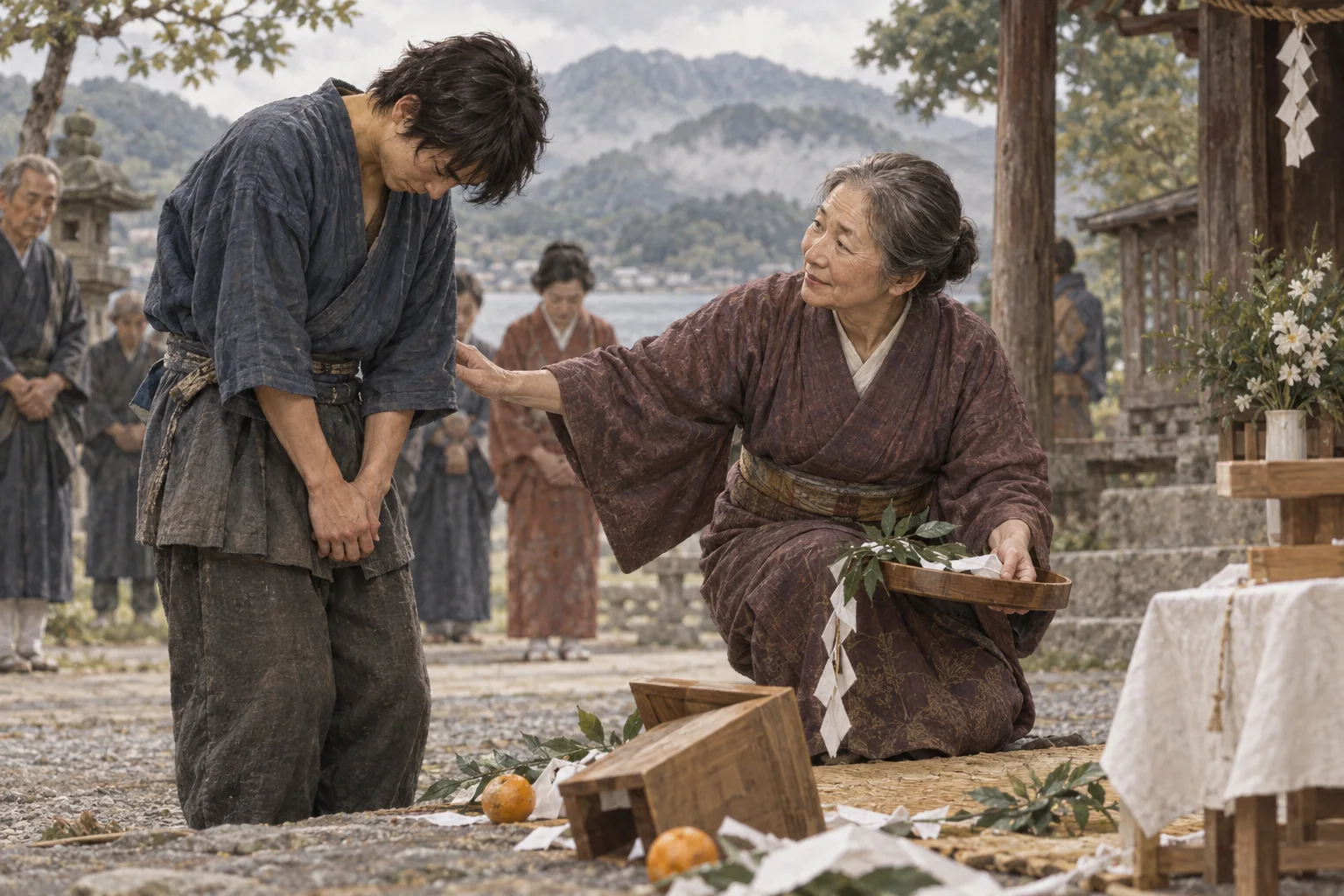
壱In one line一言で言うと
Haji is the fear of looking bad in front of others, and it shapes a lot of behavior.
弐In 30 seconds30秒で説明する
Haji is shame, but the everyday word covers more than English shame does. It runs from mild embarrassment to the serious feeling of having disgraced your family or company. Children are often told that a certain act is embarrassing rather than wrong, which points behavior outward, toward how it will look to other people.
参As a short speechスピーチ・英作文
Haji is usually translated as shame, and it is often said to be central to how Japanese people behave. The reason is the way it is taught. A child who does something wrong in public is frequently told that it is embarrassing, rather than that it is wrong, so the standard is fixed to how the act looks to others rather than to a private conscience.
This is where the phrase shame culture comes from. It was popularized by an American study written during the Second World War, which contrasted shame cultures with guilt cultures, and Japanese scholars have argued with it ever since, because no society runs on only one of them.
What I think survives the argument is smaller and more useful: in Japan, the presence of other people is felt as a real check on behavior, which is one reason public spaces stay orderly.
恥はじhajishame as a social brake
「恥ずかしい」は照れではなく、人の目に映った自分のこと。
壱一言で言うとIn one line
恥とは、人の前で体裁が悪くなることへの怖れで、多くの行動を形づくっています。
弐30秒で説明するIn 30 seconds
恥は shame ですが、日常語としての幅は英語の shame より広いものです。軽い照れくささから、家や会社の面目をつぶしたという重い感情までを含みます。子どもは、ある行いを「悪い」ではなく「恥ずかしい」と言われて育つことが多く、その言い方は行動の基準を外側に、他人からどう見えるかに向けます。
参スピーチ・英作文As a short speech
恥はふつう shame と訳され、日本人の行動の中心にあるとよく言われます。その理由は教えられ方にあります。人前で悪いことをした子どもは、「悪い」ではなく「恥ずかしい」と言われることが多く、基準が内面の良心ではなく、その行いが他人からどう見えるかに固定されます。
恥の文化という言い方はここから来ています。第二次世界大戦中に書かれたアメリカの研究が広め、恥の文化と罪の文化を対比しました。日本の研究者はそれ以来ずっと反論しています。どんな社会もその一方だけで動いてはいないからです。
この論争を経ても残る、もっと小さく実用的な点があると私は考えます。日本では他人の存在が行動への本当の歯止めとして感じられており、それが公共の場が秩序を保っている理由の一つだということです。
こう聞かれたらQuestions people actually ask
QIs shame culture a real description of Japan?
AIt is a foreign framing from a 1946 American study, and it has been criticized in Japan for decades as too neat. Shame does carry weight here, but so does personal conscience, and the two are not opposites.
恥の文化という説明は、日本に当てはまるのですか。これは1946年のアメリカの研究による外からの枠組みで、日本では何十年も、割り切りすぎだと批判されてきました。恥がここで重みを持つのは確かですが、個人の良心も同じように働いており、二つは対立するものではありません。
QWhy do Japanese people apologize for things that are not their fault?
APartly because an apology repairs the situation rather than assigns blame. Leaving a problem unaddressed in front of others is itself felt as a failure, so people apologize first and sort out responsibility later.
どうして日本人は自分のせいでないことまで謝るのですか。一つには、謝罪が責任を割り当てるのではなく、その場を修復するものだからです。人前で問題を放置することそれ自体が失態と感じられるため、まず謝り、責任の所在はあとで整理します。
QWhat does it mean when someone says hazukashii?
AIt can mean anything from I am blushing to I have disgraced myself. Tone and situation decide. Used about another person's act, it is a strong criticism, so it is rarely said to someone's face.
恥ずかしいと言われたとき、どういう意味なのですか。照れています、という程度から、面目を失ったという重い意味まであります。口調と状況で決まります。他人の行いについて使えば強い非難になるので、面と向かって言うことはほとんどありません。
誤解されやすいA common misunderstanding
MYTHJapanese people feel shame instead of guilt.日本人は罪悪感ではなく恥を感じる、と言われることがあります。
FACTThat split comes from an American book based on wartime research, and it does not hold up as a simple rule. People here feel guilt like anyone else; what differs is how much weight is given to being seen.その区分は戦時中の研究をもとにしたアメリカの本に由来するもので、そのままは成り立ちません。ここでも人は他の国と同じように罪悪感を覚えます。違うのは、見られていることにどれだけ重みが置かれるかです。
そのまま使えるフレーズPhrases you can use
- That would be embarrassing.それは恥ずかしいです。
- I don't want to lose face in front of everyone.みんなの前で面目を失いたくありません。
- He felt he had let the team down.彼はチームに申し訳ないと感じていました。
- People are watching, so behave.人が見ていますよ。
- It is not a crime, but it looks bad.罪ではありませんが、体裁が悪いのです。
豆知識Background
恥の文化という言い方は、アメリカの人類学者ルース・ベネディクトが1946年に出した『菊と刀』で広まりました。戦時中の研究で、日本を訪れずに資料と聞き取りから書かれています。以後、日本の研究者からは単純化しすぎだという批判が続いてきました。日本語には恥にまつわる言い方が多く、「旅の恥はかき捨て」は、見知らぬ土地では歯止めがゆるむことを率直に認めたことわざです。
出典日本文化ナビ(原田英語.com)「恥を英語で説明する(haji)」https://www.haradaeigo.com/japanese-culture/en/haji
- 文
- 日本文化ナビ編集部(原田英語.com)— 英文・和訳・解説はすべて独自に作成
- イラスト
- 日本文化ナビ オリジナル
- 発行
- 原田英語.com https://www.haradaeigo.com/
- 印刷日
- 2026.10.17
© 2026 Harada Eigo (原田英語.com). Text and illustration: Japan Culture Navi.
ページはこちら