土用の丑の日
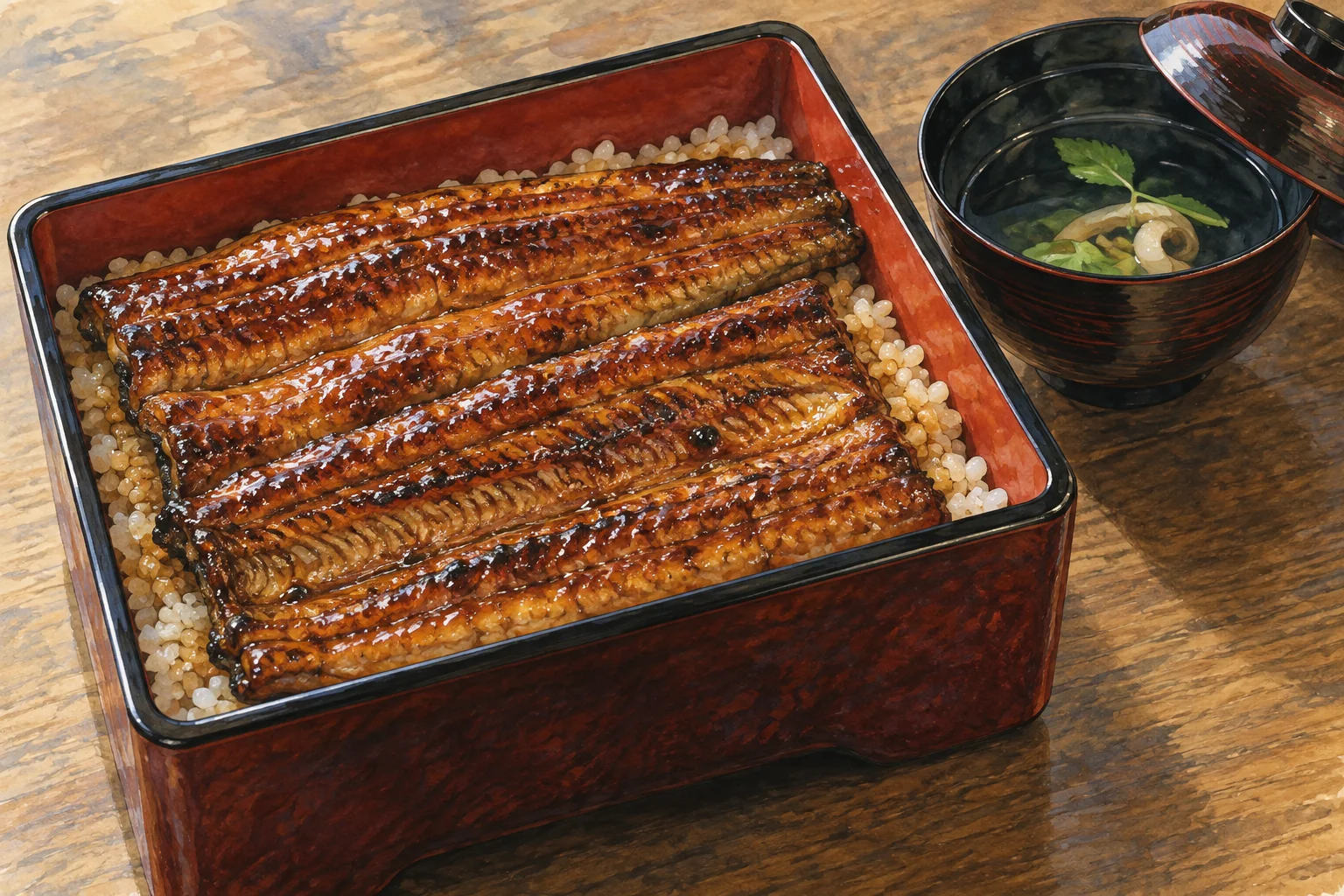
壱In one line一言で言うと
Doyo no ushi is a midsummer day when many Japanese people eat eel to beat the heat.
弐In 30 seconds30秒で説明する
On one or two days in late July, supermarkets fill with grilled eel and many people eat it. The stated reason is stamina in the hottest part of the year. The date comes from the old calendar: doyo is the transitional period before a season changes, and ushi is one of the twelve zodiac signs used to number days.
参As a short speechスピーチ・英作文
On one particular day in late July, Japanese supermarkets are stacked with grilled eel and there are queues at eel restaurants. This is doyo no ushi, and the practice is to eat eel to build stamina for the hottest weeks of the year.
The date is calculated from the old calendar. Doyo refers to the eighteen or so days before each season changes, and days were numbered using the twelve zodiac animals, so the day of the ox falling within the summer doyo is the day in question. Some years there are two.
The story everyone tells about its origin is that an Edo-period scholar named Hiraga Gennai advised a struggling eel shop to put up a sign saying it was the day of the ox, and the custom spread from there. It is repeated constantly, including by eel shops, but there is no contemporary evidence for it, so it is best presented as a well-known story rather than as fact.
土用の丑の日どようのうしのひdoyo no ushithe day everyone eats eel
夏に鰻を食べる日。「江戸時代の広告だった」という話が定番だが、確証はない。
壱一言で言うとIn one line
土用の丑の日は、夏の暑さを乗り切るために鰻を食べる日です。
弐30秒で説明するIn 30 seconds
7月下旬の1日か2日、スーパーは蒲焼きで埋まり、多くの人が鰻を食べます。理由として語られるのは、一年で最も暑い時期の精をつけることです。日付は旧暦から来ています。土用は季節の変わり目の期間、丑は日を数えるのに使う十二支のひとつです。
参スピーチ・英作文As a short speech
7月下旬のある一日、日本のスーパーは鰻の蒲焼きで埋まり、鰻屋には行列ができます。これが土用の丑の日で、一年で最も暑い数週間に備えて精をつけるために鰻を食べる、というものです。
日付は旧暦から計算します。土用は各季節の変わり目の前、およそ18日間を指し、日は十二支で数えられていたので、夏の土用のうちにあたる丑の日がその日になります。年によっては二回あります。
由来として誰もが語るのは、江戸時代の学者・平賀源内が、売れずに困っていた鰻屋に「本日丑の日」と貼り出すよう助言し、そこから広まった、という話です。鰻屋を含めて繰り返し語られますが、同時代の証拠は確認されていません。事実としてではなく、よく知られた話として紹介するのが適切です。
こう聞かれたらQuestions people actually ask
QIs the Hiraga Gennai story true?
AIt is the standard explanation, but there is no contemporary source for it. Treat it as a well-known anecdote. What is documented is that eating eel in summer was already recommended much earlier.
平賀源内の話は本当なのですか。定番の説明ですが、同時代の資料は確認されていません。よく知られた逸話として扱ってください。夏に鰻を食べることが古くからすすめられていたことは記録に残っています。
QWhy eel specifically?
AIt is rich, fatty and high in vitamins, so it fits the idea of building stamina. There is also a tradition of eating foods beginning with the sound u on the day of the ox, and unagi qualifies.
どうしてうなぎなのですか。脂が乗って栄養価が高く、精をつけるという考え方に合います。丑の日には「う」のつくものを食べるという習わしもあり、鰻はそれに当てはまります。
QIsn't eel endangered?
AThe Japanese eel is listed as endangered on the IUCN Red List, and consumption on this scale is criticized for that reason. Full farming from eggs is not yet commercially established.
うなぎは絶滅が心配されているのではありませんか。ニホンウナギは国際自然保護連合のレッドリストで絶滅危惧種とされており、この規模の消費には批判があります。卵からの完全養殖はまだ商業段階に至っていません。
そのまま使えるフレーズPhrases you can use
- It's the day everyone eats eel.みんなが鰻を食べる日です。
- It's supposed to help you survive the heat.暑さを乗り切るためとされています。
- The date comes from the old calendar.日付は旧暦から決まります。
- That origin story isn't confirmed.その由来話は、確かめられていません。
- Japanese eel is an endangered species.ニホンウナギは絶滅危惧種です。
豆知識Background
「土用」は立春・立夏・立秋・立冬の前それぞれ約18日間を指し、年に4回ある。現在「土用」といえば夏の土用を指すことが多い。丑の日は十二支で日を数えたときの丑にあたる日で、夏の土用に二度来る年は「二の丑」と呼ぶ。平賀源内の逸話は出どころがはっきりせず、源内本人と結びつける同時代の確証はない。『万葉集』には大伴家持が夏痩せに鰻をすすめた歌があり、夏に鰻を食べる発想自体は古い。ニホンウナギは2014年にIUCNのレッドリストで絶滅危惧IB類に指定された。卵から成魚まで育てる完全養殖は研究段階で成功しているが、商業化には至っていない。
出典日本文化ナビ(原田英語.com)「土用の丑の日を英語で説明する(doyo no ushi)」https://www.haradaeigo.com/japanese-culture/en/doyo-no-ushi
- 文
- 日本文化ナビ編集部(原田英語.com)— 英文・和訳・解説はすべて独自に作成
- イラスト
- 日本文化ナビ オリジナル
- 発行
- 原田英語.com https://www.haradaeigo.com/
- 印刷日
- 2026.10.17
© 2026 Harada Eigo (原田英語.com). Text and illustration: Japan Culture Navi.
ページはこちら